
General
Anonymous Feedback: The Missing Link in Workplace DEI

Discover how anonymous feedback is the missing link in workplace DEI. Learn how to track respect in the workplace and use an employee survey app to monitor team morale. Uncover the ultimate respect in the workplace solution to effectively measure workplace DEI.
Understanding Anonymous Feedback and Its Impact on DEI
In today's fast-paced work environments, especially in skilled trades like construction and manufacturing, fostering a culture of openness can make all the difference. But let's dive into the heart of it: what exactly is anonymous feedback? At its core, anonymous feedback is a way for employees to share their thoughts, concerns, and experiences without attaching their name or personal details. It's like dropping a note in a suggestion box, but supercharged with modern tech. Platforms like CrewConnect's employee survey app allow workers to log daily check-ins on everything from mental health to workplace dynamics, all while keeping identities hidden. This isn't just about venting it's a structured tool that aggregates data into insights, helping companies spot trends without compromising privacy.
Now, why does anonymity matter so much when it comes to building a diverse, inclusive, and equitable (DEI) workplace? Picture this: in industries where teams are often multicultural and multigenerational, not everyone feels safe speaking up. Fear of retaliation, judgment, or even subtle biases can silence voices that need to be heard. Anonymity breaks down those barriers, creating a level playing field where everyone from entry-level apprentices to seasoned pros can contribute honestly. This is crucial for DEI because it uncovers hidden issues that might otherwise fester. For instance, if a worker from an underrepresented group experiences microaggressions, they're more likely to report it anonymously. Tools that measure workplace DEI through these feedback loops provide managers with real data, not guesswork, to drive meaningful change. Without anonymity, feedback often skews positive or stays silent, leaving inequities unaddressed and hindering true inclusion.
But here's where it gets really powerful: anonymous feedback doesn't just reveal problems it actively influences and helps track respect in the workplace. Respect isn't some fluffy HR buzzword; it's the bedrock of productive teams. When employees can anonymously flag disrespectful behaviors like unequal treatment based on gender, race, or background it empowers leaders to act swiftly. Imagine using an employee survey app to monitor daily morale checks; suddenly, you're not just reacting to complaints but proactively tracking patterns. CrewConnect, for example, turns these inputs into AI-powered dashboards that highlight trends in respect levels across job sites. This respect in the workplace solution has been a game-changer for trades companies, reducing turnover by addressing issues early.
Take a real-world angle: studies show that workplaces with strong anonymous feedback systems see a 20-30% uptick in employee engagement, directly tied to better DEI outcomes. It's not magic; it's about giving power back to the people. By integrating tools to track team morale alongside respect metrics, companies create environments where everyone feels valued. And when respect is tracked and nurtured, DEI isn't just a checkbox it's a lived reality that boosts retention, safety, and overall performance.
Of course, implementing this isn't without challenges. Leaders must commit to acting on the feedback to build trust. But the payoff? A more equitable workplace where diverse talents thrive. If you're in the trades, exploring how to measure workplace DEI through anonymous channels could be your next big step. Tools like CrewConnect make it seamless, ensuring privacy while delivering actionable insights. In the end, anonymity isn't about hiding it's about revealing truths that strengthen the whole team.
The Significance of the Employee Survey App
Let's face it in the rough-and-tumble world of skilled trades, keeping a finger on the pulse of your team's vibe isn't always straightforward. That's where a dedicated tool like an employee survey app comes into play, stepping up as more than just a digital suggestion box. These apps are game-changers for companies aiming to stay ahead in workforce management. Unlike sporadic annual surveys that often get lost in the shuffle, a robust employee survey app enables real-time, ongoing input from the ground level. It's designed for the modern job site, where workers can quickly tap in their thoughts via mobile devices during breaks or at the end of a shift. The importance here? It transforms scattered opinions into structured data, giving leaders the visibility they need to make informed decisions. For trades businesses, this means spotting potential issues before they escalate, like fatigue from long hours or dissatisfaction with site conditions, ultimately leading to lower absenteeism and higher productivity.
One of the standout benefits is how these apps simplify the process to track team morale. Morale isn't static; it ebbs and flows with daily challenges, from weather delays on a construction site to interpersonal tensions in a manufacturing crew. An employee survey app makes tracking this effortless by allowing anonymous daily check-ins on factors like stress levels, job satisfaction, and overall energy. Managers get aggregated dashboards with AI-driven insights no more guessing games or waiting for quarterly reports. Picture this: your team logs quick entries on their phones, and bam, you see trends emerging, like a dip in morale tied to a specific project phase. This proactive approach to track team morale helps prevent burnout and fosters a supportive atmosphere. Plus, integrating it with tools to measure workplace DEI adds layers, revealing how morale intersects with inclusivity efforts. Companies using such apps often report a noticeable lift in engagement, as workers feel their input drives real change.
Diving deeper, an employee survey app isn't just about morale it's a cornerstone for establishing a solid respect in the workplace solution. Respect issues can simmer under the surface, eroding trust and leading to high turnover, especially in diverse trades environments where backgrounds vary widely. By enabling anonymous reporting of disrespectful incidents, these apps create a safe channel for voicing concerns without fear. Leaders can then track respect in the workplace through metrics like frequency of reports or sentiment analysis, turning raw feedback into actionable strategies. For example, if data shows patterns of unequal task assignments, managers can intervene with targeted training or policy tweaks.
To illustrate, consider this quote from a construction foreman who adopted CrewConnect: "Before the app, we'd hear grumbles but nothing concrete. Now, we track respect metrics weekly, and it's cut our conflicts by half." It's practical stuff apps like this often include features for follow-up actions, ensuring feedback loops close effectively.
In essence, investing in an employee survey app equips trades companies with the tools to not only monitor but elevate their workplace dynamics. It's about creating a feedback ecosystem that respects privacy while driving continuous improvement. If you're ready to level up, exploring options like CrewConnect could be the key to unlocking a more motivated, respectful team.
Strategies and Best Practices
Navigating DEI in the skilled trades isn't just about good intentions it's about smart, data-driven moves. If you're leveraging an employee survey app to measure workplace DEI, you're already on the right path. But to make it count, you need solid strategies that turn anonymous inputs into real progress. Let's break it down with practical approaches tailored for busy job sites.
First off, start by outlining key strategies for using a feedback app to measure workplace DEI effectively. One top tactic is to customize survey questions around inclusivity markers, like perceptions of fairness in promotions or comfort levels in team interactions. This isn't a one-size-fits-all deal; tailor them to your crew's unique makeup think diverse ethnic backgrounds or gender balances common in trades. Another strategy? Integrate DEI tracking with daily workflows. Encourage quick, routine check-ins that capture ongoing sentiments, not just big-picture annual reviews. This helps in spotting subtle biases early, like uneven workload distribution, and ties directly into efforts to track respect in workplace dynamics. Combine this with benchmarking compare your data against industry standards to gauge where you stand and set realistic goals for improvement.
Gathering and interpreting data is where the magic happens, but only if done right to promote inclusion and respect. Focus on high-quality data collection by ensuring the app's anonymity features are front and center workers in trades often hesitate due to tough-guy cultures, so emphasize privacy to boost participation rates. Once the data rolls in, interpretation is key: look beyond surface numbers. Use AI insights from tools like CrewConnect to analyze trends, such as correlating low morale scores with DEI feedback. For instance, if anonymous reports highlight recurring themes of exclusion, dig into the 'why' is it tied to shift scheduling or communication styles? This effective analysis promotes a respect in the workplace solution by informing targeted interventions, like inclusivity workshops or policy updates. Remember, it's not about collecting data for data's sake; it's about fostering a culture where every voice drives equity.
To make this actionable, here's a step-by-step guide on using the app to manage DEI initiatives:
- Set Up and Onboard: Choose an intuitive employee survey app and roll it out with training sessions. Explain how it helps track team morale alongside DEI metrics, ensuring buy-in from all levels.
- Customize Questions: Design DEI-focused prompts, such as "Do you feel respected in team decisions?" or "How inclusive is our site culture?" Keep them simple for mobile use.
- Collect Data Regularly: Schedule daily or weekly check-ins, anonymizing all entries to encourage honesty.
- Analyze Insights: Dive into the dashboard for patterns use filters to measure workplace DEI by demographics or sites, identifying hotspots for disrespect or exclusion.
- Act and Follow Up: Develop action plans based on findings, like respect-building team huddles. Re-survey to track progress and close the loop.
- Review and Iterate: Monthly reviews ensure strategies evolve, incorporating feedback to refine your approach.
As one trades manager shared, "Using this app turned our DEI efforts from talk to traction we saw respect scores jump 25% in six months.''
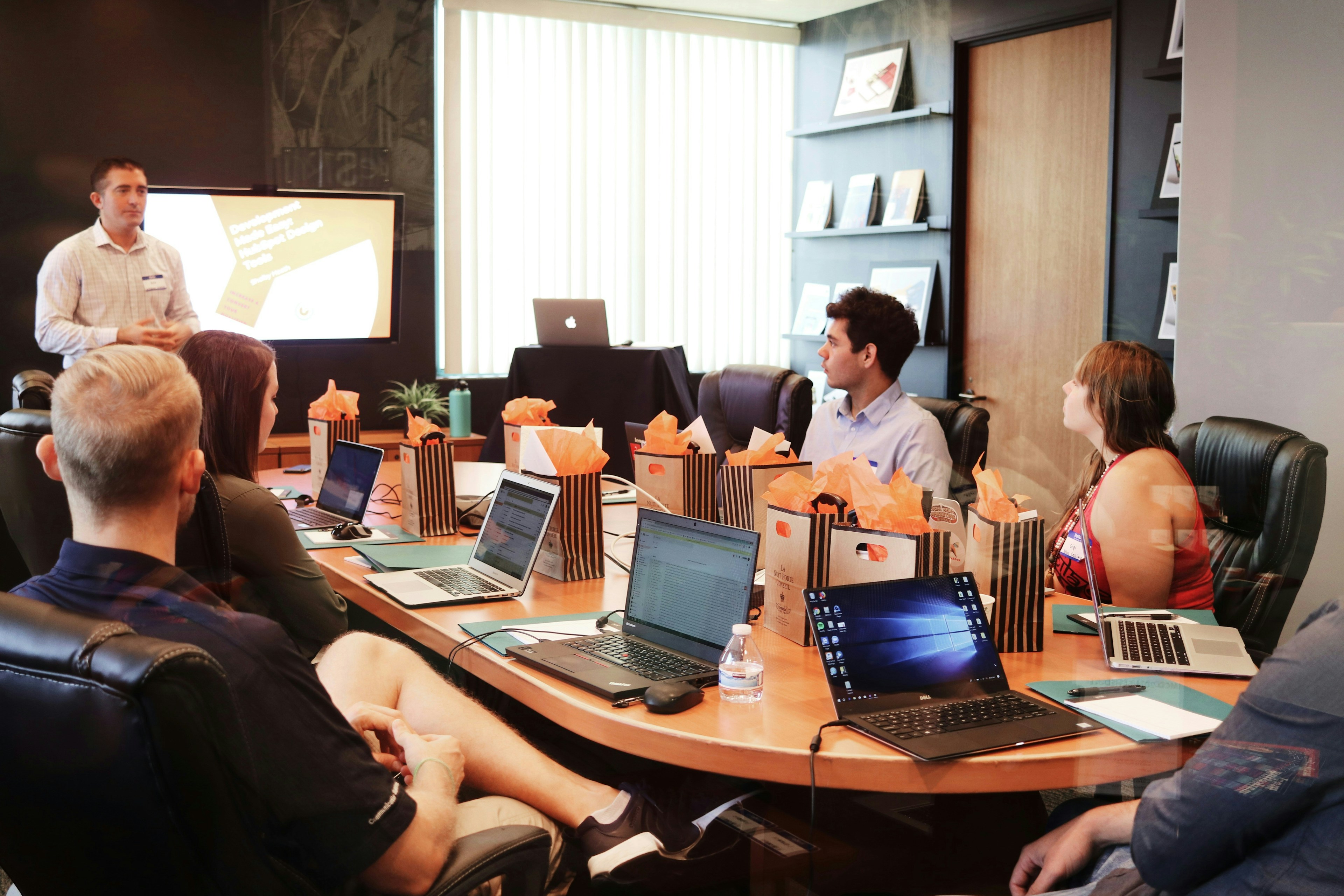
By weaving these best practices into your routine, an employee survey app becomes your DEI powerhouse, helping track respect in workplace while building a truly inclusive environment. It's straightforward, effective, and yes, it pays off in spades for trades teams.
Implementing a Culture of Feedback and Respect
Shifting gears from planning to action, building a workplace where feedback flows freely and respect is non-negotiable is the real game-changer for skilled trades outfits. It's not about one-off initiatives; it's about embedding habits that stick, especially in high-stakes environments like construction sites or fabrication shops. Let's unpack how to make this happen, focusing on fresh angles that tie into using tools like an employee survey app to drive lasting change.
Tips for Fostering a Culture of Continuous Feedback and Respect
Kick things off by leading from the top managers should model the behavior they want to see, like openly acknowledging feedback in team meetings. One solid tip: integrate feedback sessions into weekly huddles, where anonymous insights from the app are discussed without finger-pointing. This normalizes sharing and helps track respect in workplace vibes over time. Another pro move? Reward participation offer shoutouts or small incentives for consistent check-ins, which encourages everyone to contribute. Don't forget training: run workshops on respectful communication, linking app data to real scenarios. For instance, if the app flags low respect scores, use it as a teaching moment. Pair this with tech that makes it easy, like push notifications for daily logs, ensuring continuous feedback becomes as routine as safety checks. These steps create a respect in the workplace solution that's proactive, not reactive, and helps track team morale in real time.
The Impact of Anonymous Feedback on Reducing Turnover and Boosting Safety Culture
Here's the kicker: when anonymous feedback is baked into your operations, it directly tackles two big pain points in trades turnover and safety lapses. Workers who feel heard are less likely to jump ship; data shows companies using anonymous tools see turnover drop by up to 15-20%, as issues like burnout or unfair treatment get nipped in the bud early. It's simple psychology anonymity reduces the fear factor, leading to honest reports on everything from hazardous conditions to morale dips that could cause accidents. This boosts safety culture by highlighting risks before they escalate; for example, if multiple check-ins note fatigue, managers can adjust schedules proactively. In trades, where physical demands are high, this feedback loop has led to fewer injuries and a more vigilant workforce. Tools that measure workplace DEI alongside safety metrics amplify this, revealing how inclusive practices reduce errors tied to miscommunication or exclusion.
How Continuous Improvement in DEI Contributes to Overall Business Success
Tying it all together, relentlessly improving DEI isn't just feel-good stuff it's a straight shot to business wins. By using anonymous feedback to refine inclusivity, companies attract top talent in a competitive labor market, cutting recruitment costs and filling roles faster. Think about it: diverse teams innovate better, leading to smarter problem-solving on job sites and higher project efficiency. Continuous DEI tweaks, informed by app data, also enhance reputation clients prefer partners with strong ethical standings, opening doors to bigger contracts. Financially, it pays off; studies link high DEI scores to 10-15% productivity gains. For trades firms, this means smoother operations, fewer disruptions, and a healthier bottom line. As one site supervisor put it, "DEI isn't a side hustle; it's our edge anonymous feedback keeps us accountable and ahead."
Embracing this culture isn't overnight, but with consistent effort and the right employee survey app, you'll see your team thrive. It's the path forward for trades companies ready to lead with respect and inclusion.
Anonymous Feedback, Powerful Insights
Protect worker privacy while gaining the data you need to improve well-being, safety, and retention across crews.
Related Articles

DEI Measurement Tools Every Construction Company Needs
Explore top DEI measurement tools essential for every construction company to track respect in the workplace. Learn how an employee survey app helps monitor team morale and provides respect in the workplace solutions effectively. Enhance your firm's diversity with our guide on measuring workplace DEI.

Tracking Team Morale: A Data-Driven Approach
Learn a data-driven approach on how to track respect in the workplace and team morale using an employee survey app. Our solution provides insights to measure workplace DEI effectively. Make your workplace happier with CrewConnect.co's top-ranked expert advice.

How Measuring DEI Leads to Better Recruitment and Retention
Discover how to track respect in the workplace, boost team morale and implement the best DEI solutions with a smart employee survey app. Our guide explores the impact of measuring workplace DEI on recruitment and retention. Get more from your team with CrewConnect.